Importance of Financial Investments, Key Considerations for Retirement Planning, Types of Financial Investments for Retirement, Risk Management

Wednesday, July 5, 2023

Comparison Between Stock and Bond Investment

Looking to grow your wealth and secure your financial future? Investing in stocks and bonds can be a smart move, but understanding the differences between these two investment options is crucial. In this comprehensive guide, we'll delve into the world of stock and bond investments, unearthing the key distinctions that can make or break your investment strategy. From risk levels and potential returns to the various types of stocks and bonds available, we'll cover it all. Whether you're a seasoned investor or just starting to dip your toes into the investment pool, this guide will provide you with the knowledge and insights you need to make informed decisions. So, let's dive in and discover the fascinating world of stocks and bonds – and unlock the secrets to building a successful investment portfolio.

What are stocks and how do they work?

What are stocks and how do they work?

Stocks, also known as shares or equities, represent ownership in a company. When you buy a stock, you become a shareholder and have a claim on the company's assets and earnings. The value of a stock is determined by supply and demand in the market. If more people want to buy a stock, its price will increase, and vice versa. Stocks can be traded on stock exchanges, such as the New York Stock Exchange (NYSE) or NASDAQ.

There are two main types of stocks: common stocks and preferred stocks. Common stocks give shareholders voting rights and the potential for capital appreciation and dividends. Preferred stocks, on the other hand, offer a fixed dividend rate and have a higher claim on the company's assets in the event of bankruptcy. Investors can choose to invest in either type of stock based on their risk tolerance and investment goals. 

Benefits and risks of stock investments

Benefits and risks of stock investments

Investing in stocks can offer several benefits. Firstly, stocks have the potential for high returns. Historically, stocks have outperformed other investment options, such as bonds or real estate, over the long term. Secondly, stocks provide investors with the opportunity to become partial owners of successful companies and benefit from their growth. Lastly, stocks offer liquidity, meaning that investors can easily buy and sell their shares on the stock market.

However, investing in stocks also comes with risks. The value of stocks can be volatile, and prices can fluctuate dramatically in response to market conditions, economic factors, or company-specific news. Investors need to be prepared for the possibility of losing money if the value of their stocks declines. It's important to diversify your stock portfolio to mitigate risk and not put all your eggs in one basket.

How to buy and sell stocks

How to buy and sell stocks

Buying and selling stocks is relatively straightforward, thanks to online trading platforms and brokerage accounts. To buy stocks, you'll need to open an account with a brokerage firm and deposit funds. Once your account is set up, you can search for the stocks you want to buy and place an order. When selling stocks, you can choose to sell all your shares or a portion of them. The proceeds from the sale will be deposited into your brokerage account.

When buying and selling stocks, it's important to consider the transaction costs, such as commissions or fees charged by the brokerage firm. It's also essential to conduct thorough research and analysis before making any investment decisions. Understanding a company's financial health, industry trends, and market conditions can help you make more informed choices when buying or selling stocks.

What are bonds and how do they work?

What are bonds and how do they work?

Unlike stocks, which represent ownership in a company, bonds are debt instruments issued by governments, municipalities, or corporations. When you buy a bond, you are essentially lending money to the issuer in exchange for regular interest payments and the return of the principal amount at maturity. Bonds have a fixed term, typically ranging from a few months to several decades, and an agreed-upon interest rate, known as the coupon rate.

There are different types of bonds available to investors. Government bonds, also known as treasury bonds, are issued by sovereign governments to fund their operations. They are considered low-risk investments as governments have the power to tax and print money to repay their debts. Corporate bonds, on the other hand, are issued by companies to raise capital for various purposes. Corporate bonds carry more risk than government bonds but generally offer higher interest rates to compensate investors for the additional risk.

Benefits and risks of bond investments

Benefits and risks of bond investments

One of the main benefits of investing in bonds is their relative stability and predictable income stream. Bonds are considered less risky than stocks as they provide fixed interest payments and the return of the principal amount at maturity. This makes them a popular choice for conservative investors or those looking to generate regular income. Bonds also offer diversification benefits as they tend to have a low correlation with stocks, meaning they can help balance out the volatility of a stock portfolio.

However, bond investments are not without risks. Interest rate risk is one of the key risks associated with bonds. When interest rates rise, the value of existing bonds tends to decline, as investors can get higher yields from newly issued bonds. Credit risk is another important consideration, especially for corporate bonds. If the issuer defaults on its debt obligations, bondholders may not receive their interest payments or the return of their principal amount. Investors should assess the creditworthiness of the issuer before investing in bonds.

How to buy and sell bonds

How to buy and sell bonds

Buying and selling bonds can be done through a brokerage account or directly from the issuer, depending on the type of bond. Treasury bonds can be purchased through auctions conducted by the government, while corporate bonds are typically bought and sold through brokerage firms. When buying bonds, investors need to consider factors such as the bond's maturity date, coupon rate, and credit rating.

Selling bonds can be done in the secondary market, where investors can sell their bonds to other buyers. The price of a bond in the secondary market can fluctuate based on changes in interest rates, creditworthiness of the issuer, and market conditions. Investors should be aware that selling bonds before maturity may result in capital gains or losses, depending on the prevailing market rates.

Key differences between stocks and bonds

Key differences between stocks and bonds

While both stocks and bonds are investment options, they have several key differences. Firstly, stocks represent ownership in a company, while bonds represent debt owed by an issuer. Secondly, stocks offer the potential for capital appreciation and dividends, while bonds provide fixed interest payments and the return of the principal amount at maturity. Stocks are generally considered riskier than bonds, as their value can fluctuate more significantly.

Another difference is the order of priority in terms of claims on the issuer's assets. In the event of bankruptcy, bondholders have a higher claim than shareholders. This means bondholders are more likely to receive their principal and interest payments before shareholders receive any remaining assets. Additionally, stocks offer voting rights, allowing shareholders to participate in corporate decision-making, while bondholders typically do not have voting rights.

Factors to consider when investing in stocks or bonds

Factors to consider when investing in stocks or bonds

When deciding whether to invest in stocks or bonds, several factors should be taken into account. Risk tolerance is an important consideration. If you have a high tolerance for risk and are willing to accept potential fluctuations in value, stocks may be suitable for you. On the other hand, if you prefer a more stable investment with regular income, bonds may be a better fit. Time horizon is another crucial factor. Stocks tend to be more suitable for long-term investors, while bonds can be appropriate for short-term goals or income generation.

Investors should also consider their investment objectives. If your goal is to grow your wealth over time and you have a longer time horizon, stocks may provide the potential for higher returns. However, if you're primarily focused on preserving capital and generating income, bonds may be a more suitable choice. It's important to align your investment strategy with your financial goals and risk tolerance.

Creating a balanced investment portfolio

Creating a balanced investment portfolio

Diversification is key when building an investment portfolio. By spreading your investments across different asset classes, such as stocks and bonds, you can reduce the overall risk of your portfolio. A balanced investment portfolio typically includes a mix of stocks, bonds, and other assets, such as cash or real estate. The specific allocation will depend on your risk tolerance, investment goals, and time horizon.

The proportion of stocks and bonds in your portfolio can vary based on your risk profile. Generally, younger investors with a longer time horizon can afford to have a higher allocation to stocks, as they have more time to recover from market downturns. As you approach retirement or have a shorter time horizon, it may be prudent to increase your allocation to bonds to preserve capital and generate income. Regular portfolio rebalancing is also important to maintain your desired asset allocation.

Investment strategies for stocks and bonds

Investment strategies for stocks and bonds

There are various investment strategies that can be employed when investing in stocks and bonds. For stocks, one strategy is value investing, which involves identifying undervalued stocks and holding them for the long term. Another strategy is growth investing, where investors focus on companies with high growth potential. Dividend investing is also popular, where investors seek stocks that pay regular dividends.

For bonds, one strategy is to invest in government bonds, which are considered low-risk investments. Another strategy is to build a bond ladder, where bonds with different maturities are purchased to provide a regular income stream. Some investors also opt for bond funds, which offer diversification and professional management. It's important to research and understand each strategy before implementing it in your investment portfolio.

Tax implications of stock and bond investments

Tax implications of stock and bond investments

Investing in stocks and bonds can have tax implications. In most countries, dividends received from stocks are subject to taxation. The tax rate may vary based on the individual's income bracket. Capital gains from selling stocks may also be subject to taxation, with the rate depending on the holding period. Long-term capital gains are usually taxed at a lower rate than short-term gains.

Interest income from bonds is generally taxable at the individual's regular income tax rate. However, some government bonds, known as municipal bonds, may be exempt from federal and/or state taxes, depending on the issuer and the investor's location. It's important to consult with a tax professional to understand the specific tax rules and implications in your jurisdiction.

Conclusion

Investing in stocks and bonds can be a rewarding way to grow your wealth and achieve your financial goals. By understanding the differences between these two investment options, you can make informed decisions and build a well-rounded investment portfolio. Stocks offer the potential for higher returns and ownership in successful companies, while bonds provide stability and regular income. Consider your risk tolerance, investment objectives, and time horizon when deciding how to allocate your investments. Remember to conduct thorough research, diversify your portfolio, and consult with professionals when needed. With the right knowledge and strategy, you can navigate the world of stocks and bonds and unlock the secrets to building a successful investment portfolio. Happy investing!

Tuesday, July 4, 2023

Unveiling the Power Players: Exploring the Key Controllers of the Stock Market

In the ever-changing landscape of the stock market, a select group of individuals hold the key to its ups and downs. These power players, often hidden in the shadows, possess the knowledge and influence to sway the market in their favor. Unveiling their identities and understanding their role is crucial for any investor seeking to navigate the volatile terrain of stocks. Join us as we embark on a journey to explore the key controllers of the stock market, unraveling the secrets behind their strategies and the impact they have on the financial world. From institutional investors to hedge funds and market makers, we will delve into the inner workings of these influential entities and shed light on the factors that drive market trends. Get ready to uncover the driving forces behind stock market movements and gain invaluable insights into the minds of the power players who shape our financial landscape.

Unveiling the Power Players: Exploring the Key Controllers of the Stock Market

Understanding Stock Market Players

The stock market is like a chessboard, with players strategically moving their pieces to gain an advantage. To understand the dynamics of the stock market, we must first recognize the various players involved. These players range from institutional investors to retail investors, each with their own unique role and influence.

The Role of Institutional Investors

The Role of Institutional Investors

Institutional investors, such as pension funds, mutual funds, and insurance companies, are the heavyweights of the stock market. With their vast resources and expertise, they have the power to move markets with their buying and selling decisions. These players often have long-term investment horizons and can significantly impact the direction of stock prices. Institutional investors play a crucial role in setting market trends and determining the overall sentiment of the market.

Hedge Funds: The Influential Players

Hedge Funds

Hedge funds are another group of players that wield significant influence over the stock market. These privately managed investment funds pool money from wealthy individuals and institutional investors to generate high returns. Hedge funds are known for their aggressive investment strategies, which involve taking both long and short positions in stocks. The actions of hedge funds can cause dramatic fluctuations in stock prices, making them key players to watch closely.

Mutual Funds: The Backbone of the Stock Market

Mutual Funds

Mutual funds are a staple in the stock market, acting as the backbone of many investors' portfolios. These funds pool money from individual investors and invest in a diversified portfolio of stocks, bonds, and other assets. Mutual funds provide small investors with access to professional money management and allow them to participate in the stock market with relatively small investments. The buying and selling decisions of mutual funds have a substantial impact on the overall market, especially in smaller stocks.

Investment Banks: The Facilitators of Stock Market Transactions

Investment Banks

Investment banks play a crucial role in facilitating stock market transactions. These financial institutions act as intermediaries between companies looking to raise capital and investors looking to invest in stocks. Investment banks help companies issue initial public offerings (IPOs), underwrite stock offerings, and provide advisory services. They also play a vital role in mergers and acquisitions, providing financial expertise and facilitating the transactions. Investment banks are instrumental in maintaining the liquidity and efficiency of the stock market.

Retail Investors: The Individual Players

Retail Investors

Retail investors, also known as individual investors, are the everyday people who participate in the stock market. These individual players may include anyone from small-time investors to high-net-worth individuals. While retail investors may not have the same financial firepower as institutional investors or hedge funds, their collective actions can still impact stock prices. Retail investors often make investment decisions based on their personal beliefs, emotions, and market trends, creating opportunities for market movements.

Market Makers: The Liquidity Providers

Market Makers


Market makers are the behind-the-scenes players responsible for providing liquidity in the stock market. These entities, often brokerage firms or specialized trading firms, facilitate the buying and selling of stocks by maintaining an inventory of shares. Market makers continuously quote bid and ask prices for stocks, ensuring that there is always a buyer for every seller and vice versa. By providing liquidity, market makers help ensure the smooth functioning of the stock market and narrow bid-ask spreads.

Stock Exchanges: The Platforms for Stock Trading

Stock Exchanges


Stock exchanges serve as the platforms where stocks are traded. These exchanges, such as the New York Stock Exchange (NYSE) and Nasdaq, provide a regulated marketplace for buyers and sellers to transact shares. Stock exchanges enforce rules and regulations to maintain fair and orderly trading and provide transparency in price discovery. Without stock exchanges, the stock market would lack the necessary infrastructure for efficient and secure trading.

The Interplay Between Key Stock Market Players

The various stock market players mentioned above are not operating in isolation but rather interact with one another, creating a complex web of interdependencies. The actions of one player can have a ripple effect on others, leading to chain reactions and influencing market dynamics.

For example, institutional investors often set the tone for market sentiment. Their buying or selling decisions can signal optimism or pessimism, influencing the behavior of other market participants. Hedge funds, on the other hand, may take advantage of market trends identified by institutional investors and amplify market movements through their aggressive trading strategies. Retail investors, driven by emotions and social trends, may follow the lead of institutional or hedge fund players, further magnifying market movements.

Market makers play a critical role in ensuring liquidity and efficient trading. Their continuous buying and selling activities help match buyers and sellers, providing a smooth trading experience for all participants. The actions of market makers can impact the bid-ask spread and, in turn, influence the overall cost of trading for investors.

The Impact of Key Stock Market Players on Stock Prices

The actions and decisions of key stock market players can have a significant impact on stock prices. When institutional investors buy or sell large quantities of stocks, it can lead to substantial price movements. Similarly, the aggressive trading strategies of hedge funds can cause sharp price fluctuations, especially in smaller stocks. The buying or selling decisions of mutual funds can also impact stock prices, particularly in the stocks they hold significant positions in.

The influence of retail investors on stock prices may be less direct but still significant. Social media platforms and online forums have given rise to the phenomenon of retail investor-driven stock movements. Coordinated efforts by retail investors can lead to dramatic price swings, as seen in recent times with certain meme stocks. The collective actions of retail investors can challenge the traditional power dynamics of the stock market and introduce new variables into the equation.

Conclusion: The Dynamic Ecosystem of the Stock Market

The stock market is a dynamic ecosystem where various power players exert their influence and shape market trends. From institutional investors to hedge funds, mutual funds, investment banks, retail investors, market makers, and stock exchanges, each player plays a vital role in the complex interplay of market forces.

Understanding the strategies and motivations of these key stock market players is essential for investors seeking to navigate the ever-changing landscape of stocks. By unraveling the secrets behind their actions and the impact they have on stock prices, investors can gain valuable insights into the driving forces behind market movements.

As the stock market continues to evolve, new players and dynamics will inevitably emerge. By staying informed and observing the actions of these power players, investors can position themselves to make informed decisions and capitalize on the opportunities presented by this dynamic ecosystem called the stock market.

Monday, July 3, 2023

Maximizing Profit in the Capital Market: The Role of Mutual Funds and Stock Indexes

In today's ever-evolving world of finance, maximizing profit in the capital market has become an intricate dance of strategy and knowledge. With countless investment options available, it can be overwhelming to navigate the vast landscape of possibilities. Fortunately, mutual funds and stock indexes have emerged as powerful tools in the pursuit of financial success. These investment vehicles offer a unique blend of diversity and stability, allowing both seasoned investors and novices to tap into the potential of the capital market. In this article, we will explore the role of mutual funds and stock indexes in maximizing profit, delving into the benefits they provide, the strategies they employ, and the importance of understanding their strengths and limitations. Whether you're an aspiring investor or a seasoned pro, join us as we uncover the secrets to unlocking the full potential of the capital market and embracing the exciting world of mutual funds and stock indexes.

Understanding Mutual Funds

Understanding Mutual Funds

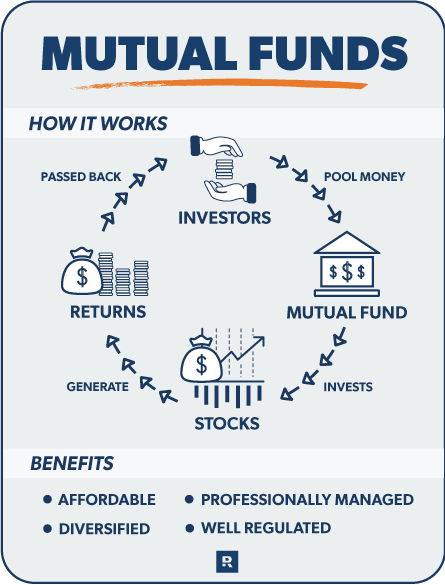
Mutual funds are investment vehicles that pool money from multiple investors to purchase a diversified portfolio of securities. These funds are managed by professional fund managers who make investment decisions on behalf of the investors. One of the key advantages of mutual funds is their ability to provide instant diversification. By investing in a mutual fund, investors gain exposure to a wide range of assets, such as stocks, bonds, and commodities, without having to buy each security individually. This diversification helps to spread risk and potentially increase returns.

Furthermore, mutual funds offer various types, each with its own investment objective and strategy. For example, equity funds invest primarily in stocks, while bond funds focus on fixed-income securities. There are also hybrid funds that combine both stocks and bonds in their portfolios. Additionally, mutual funds come in different sizes and styles, catering to different risk appetites and investment goals. Whether you are seeking aggressive growth, stable income, or a balanced approach, there is likely a mutual fund that aligns with your preferences.

Investing in mutual funds is also relatively easy and convenient. Investors can typically buy or sell mutual fund shares on any business day at the net asset value (NAV) price, which is calculated at the end of each trading day. This liquidity allows investors to enter or exit their positions without much hassle. Moreover, mutual funds are regulated by strict guidelines to protect investor interests, providing an added layer of security.

In summary, mutual funds offer diversification, professional management, and convenience, making them an attractive option for investors looking to maximize profit in the capital market.

Benefits of Investing in Mutual Funds

Benefits of Investing in Mutual Funds

Investing in mutual funds offers several benefits that can contribute to maximizing profit in the capital market. Firstly, as mentioned earlier, mutual funds provide instant diversification. By investing in a single mutual fund, investors gain exposure to a diversified portfolio of securities. This diversification helps to reduce risk by spreading investments across different asset classes, industries, and regions. When one investment performs poorly, it can be offset by the performance of others.

Secondly, mutual funds offer professional management. Experienced fund managers conduct extensive research and analysis to make informed investment decisions. Their expertise allows them to identify promising opportunities and navigate market fluctuations. Investors can benefit from the knowledge and skills of these professionals, even if they have limited knowledge or time to manage their own investments.

Thirdly, mutual funds provide access to markets and assets that may be difficult for individual investors to access. For example, emerging markets or niche industries may require significant resources and expertise to invest in directly. By investing in mutual funds that specialize in these areas, investors can gain exposure to these markets without the need for extensive research or large capital outlays.

Another benefit of investing in mutual funds is the ability to invest with smaller amounts of capital. Unlike some other investment options, mutual funds often have low minimum investment requirements, allowing investors with limited funds to participate in the capital market. This accessibility opens up opportunities for individuals who may not have the means to invest in individual stocks or bonds.

Lastly, mutual funds offer the potential for higher returns through the power of compounding. Reinvesting dividends and capital gains can accelerate the growth of investments over time. As the value of the mutual fund increases, so does the potential for higher returns.

In conclusion, investing in mutual funds provides instant diversification, professional management, access to markets, affordability, and the potential for higher returns, all of which contribute to maximizing profit in the capital market.

How Stock Indexes Work

How Stock Indexes Work

Stock indexes play a crucial role in the capital market by providing a snapshot of the overall performance of a specific group of stocks. An index is essentially a portfolio of stocks that represents a particular market or sector. It serves as a benchmark against which the performance of individual stocks or mutual funds can be measured.

Stock indexes are created using various methodologies, but the most common one is market capitalization weighting. This means that stocks with higher market capitalization, or the total value of a company's outstanding shares, have a greater impact on the index's performance. For example, if a stock with a large market capitalization experiences a significant price movement, it will have a more significant effect on the index compared to a stock with a smaller market capitalization.

The performance of stock indexes is typically measured in terms of index points or percentage changes. These metrics indicate the overall movement of the index over a specific period. Investors and fund managers often use stock indexes as benchmarks to evaluate the performance of their investments. If a mutual fund consistently outperforms its benchmark index, it is often considered a positive sign of its performance.

Stock indexes also serve as a basis for various financial products, such as index funds and exchange-traded funds (ETFs). These products aim to replicate the performance of a specific index by holding a similar portfolio of stocks. By investing in index funds or ETFs, investors can gain exposure to the overall performance of a market or sector without the need to buy individual stocks.

Understanding how stock indexes work is crucial for maximizing profit in the capital market. By monitoring the performance of relevant indexes and aligning investment strategies accordingly, investors can make informed decisions and potentially capitalize on market trends.

The Role of Mutual Funds in Maximizing Profit

The Role of Mutual Funds in Maximizing Profit

Mutual funds play a significant role in maximizing profit in the capital market. As mentioned earlier, mutual funds offer instant diversification, professional management, and access to markets that may be difficult to access individually. These factors contribute to the potential for higher returns and reduced risk.

One of the key advantages of mutual funds is the ability to tap into the expertise of seasoned fund managers. These professionals dedicate their time and resources to conducting thorough research and analysis to identify promising investment opportunities. They have access to extensive networks and information sources that individual investors may not have. By entrusting their investments to professional fund managers, investors can benefit from their knowledge and skills, potentially leading to superior returns.

Moreover, mutual funds allow investors to invest in a diversified portfolio of securities. This diversification helps to spread risk and potentially reduce the impact of poor-performing investments. For example, if a mutual fund holds stocks in various industries and sectors, a decline in one industry may be offset by the performance of others. This diversification can help to mitigate the impact of market volatility and increase the chances of generating consistent returns over time.

Mutual funds also provide flexibility in terms of investment strategies. Depending on the fund's objective, fund managers can employ various strategies, such as growth investing, value investing, or dividend investing. These strategies allow investors to align their investment approach with their risk tolerance and investment goals. For example, investors seeking capital appreciation may opt for growth-oriented mutual funds, while those looking for stable income may choose dividend-focused funds.

Furthermore, mutual funds offer the advantage of liquidity. Investors can typically buy or sell mutual fund shares on any business day at the net asset value (NAV) price. This liquidity provides flexibility and allows investors to enter or exit their positions without much hassle. It is particularly beneficial during volatile market conditions when quick action may be required.

In summary, mutual funds play a crucial role in maximizing profit in the capital market by offering professional management, diversification, flexibility in investment strategies, and liquidity. By leveraging the strengths of mutual funds, investors can potentially enhance their chances of achieving their financial goals.

Strategies for Maximizing Profit in the Capital Market

Strategies for Maximizing Profit in the Capital Market

Maximizing profit in the capital market requires careful planning and strategic decision-making. While there is no one-size-fits-all approach, there are several strategies that investors can consider to increase their chances of success. Here are some strategies to consider:

1. Diversify your portfolio: Diversification is a fundamental strategy for reducing risk and maximizing profit. By spreading investments across different asset classes, industries, and regions, investors can potentially offset losses in one area with gains in another. Mutual funds offer instant diversification, making them an attractive option for implementing this strategy.

2. Invest for the long term: Investing with a long-term perspective can help to ride out short-term market fluctuations and take advantage of compounding. By staying invested over a more extended period, investors can potentially benefit from the power of compounding and the potential for higher returns.

3. Regularly review and rebalance your portfolio: Regularly reviewing and rebalancing your portfolio is essential to ensure that it remains aligned with your investment goals and risk tolerance. As market conditions change, certain investments may perform better or worse than others, leading to an imbalance in the portfolio. By rebalancing, investors can sell investments that have become overweight and buy those that have become underweight, effectively maintaining their desired asset allocation.

4. Consider dollar-cost averaging: Dollar-cost averaging is a strategy where investors regularly invest a fixed amount of money into an investment vehicle, regardless of its price. This approach helps to mitigate the impact of market volatility by buying more shares when prices are low and fewer shares when prices are high. Over time, this strategy can potentially lead to a lower average cost per share and higher overall returns.

5. Stay informed and adapt: Staying informed about market trends, economic indicators, and relevant news is crucial for making informed investment decisions. Keeping up with market developments allows investors to adapt their strategies accordingly and potentially capitalize on emerging opportunities or mitigate potential risks.

6. Seek professional advice: While it is possible to manage investments independently, seeking professional advice can provide valuable insights and expertise. Financial advisors or fund managers can help investors navigate the complexities of the capital market, analyze investment options, and tailor strategies to individual needs and goals.

Remember that investing in the capital market involves risks, and there are no guarantees of profit. It is essential to conduct thorough research, understand your risk tolerance, and make informed decisions based on your financial goals and circumstances.

Important Factors to Consider When Investing in Mutual Funds

Important Factors to Consider When Investing in Mutual Funds

Investing in mutual funds can be a rewarding experience, but it is crucial to consider several factors before making any investment decisions. Here are some important factors to keep in mind:

1. Investment objective: Different mutual funds have different investment objectives. It is essential to understand the fund's objective and ensure that it aligns with your investment goals. For example, if you are seeking long-term growth, investing in an equity fund may be more suitable than a bond fund.

2. Risk profile: Mutual funds come with varying levels of risk. Some funds may be more aggressive and volatile, while others may focus on stability and income. Assessing your risk tolerance is crucial in selecting the right mutual funds. Generally, higher-risk funds have the potential for higher returns but also come with a higher likelihood of volatility.

3. Performance history: Reviewing the performance history of mutual funds can provide insights into their past performance. However, it is important to note that past performance does not guarantee future results. Look for consistent long-term performance rather than short-term fluctuations.

4. Expense ratio: Mutual funds charge fees, known as expense ratios, to cover administrative and management costs. These fees can vary significantly between funds and can impact overall returns. Consider the expense ratio and evaluate whether the fees are justified by the fund's performance and services provided.

5. Fund manager expertise: The expertise and track record of the fund manager are crucial factors to consider. Research the qualifications and experience of the fund manager and assess their ability to make informed investment decisions.

6. Fund size: The size of a mutual fund can impact its performance and liquidity. While larger funds may offer stability and resources, smaller funds may have the potential for higher growth. Consider the fund's size in relation to its investment strategy and objectives.

7. Fund holdings: Reviewing the holdings of a mutual fund can provide insights into the underlying investments. Assess whether the fund's holdings align with your investment preferences and risk tolerance. Additionally, consider the diversification within the fund's portfolio to ensure it is in line with your desired level of risk.

8. Fund expenses: Apart from the expense ratio, mutual funds may have other costs, such as sales loads or redemption fees. Understand the fee structure and evaluate the impact on your overall investment returns.

9. Tax implications: Mutual fund investments may have tax implications, such as capital gains distributions. Consider the tax efficiency of the fund and consult with a tax advisor to understand the potential tax consequences.

10. Exit strategy: Before investing in a mutual fund, consider your exit strategy. Assess the fund's redemption policies and any applicable fees. Understanding the ease of liquidating your investment can be important, especially during times of market volatility.

By carefully considering these factors, investors can make informed decisions and select mutual funds that align with their investment goals and risk tolerance.

The Impact of Stock Indexes on Investment Decisions

The Impact of Stock Indexes on Investment Decisions

Stock indexes play a significant role in investment decisions by providing a benchmark against which the performance of investments can be measured. By tracking the performance of relevant stock indexes, investors can gain insights into market trends and make informed decisions.

One way stock indexes impact investment decisions is by serving as a reference point for evaluating the performance of mutual funds. Investors often compare the performance of mutual funds to a relevant stock index to assess their relative success. If a mutual fund consistently outperforms its benchmark index, it may signal strong management and investment strategies. On the other hand, consistent underperformance may lead investors to reconsider their investment in the fund.

Stock indexes also influence investment decisions by providing insights into market trends and sentiment. Changes in index values can indicate shifts in investor confidence, market volatility, or sector-specific developments. By monitoring the performance of relevant stock indexes, investors can potentially capitalize on emerging opportunities or adjust their investment strategies accordingly.

Moreover, stock indexes serve as a basis for various financial products, such as index funds and ETFs. These investment vehicles aim to replicate the performance of a specific index by holding a similar portfolio of stocks. By investing in index funds or ETFs, investors can.

Sunday, July 2, 2023

Property Investment 101: A Comprehensive Guide to Analyzing Market Trends and Risks

Welcome to Property Investment 101, where we delve into the world of real estate and equip you with the knowledge and tools to make informed decisions. Whether you're a seasoned investor looking to expand your portfolio or a beginner taking your first steps into the property market, this comprehensive guide is designed to help you navigate the complexities of analyzing market trends and risks.

Understanding market trends in property investment

Property Investment

Investing in property requires a deep understanding of market trends. These trends can determine the success or failure of your investment. By keeping a close eye on market trends, you can identify opportunities and make informed decisions. One key aspect to consider is the overall economic climate. Factors such as interest rates, GDP growth, and employment rates can have a significant impact on the property market. Additionally, demographic trends and population growth can influence demand for certain types of properties in specific areas. Understanding these market trends will allow you to position yourself for success.

Another important factor to consider when analyzing market trends is the supply and demand dynamics of the property market. Are there more buyers than sellers? Is there an oversupply of properties in a particular area? By examining these factors, you can identify potential opportunities or risks. It's also crucial to study the local market conditions, such as rental vacancy rates and average rental prices. This data will give you insights into the demand for rental properties and the potential rental income you can expect.

Lastly, keeping an eye on emerging trends and developments in the property market is essential. Technological advancements, changes in government policies, and shifts in consumer preferences can all impact the property market. For example, the rise of remote work due to the COVID-19 pandemic has led to increased demand for suburban properties with home office spaces. By staying informed about these trends, you can adapt your investment strategy accordingly.

Importance of analyzing market risks in property investment

Property Investment

Analyzing market risks is a critical aspect of property investment. While investing in property can yield significant returns, it also comes with inherent risks. By thoroughly evaluating these risks, you can make informed decisions and mitigate potential losses. One crucial risk to consider is the possibility of a property market downturn. Property markets are cyclical, and understanding the different phases of the market cycle is essential for successful investing. By identifying signs of a market downturn, such as decreasing property prices and increasing foreclosure rates, you can adjust your investment strategy accordingly.

Another risk to consider is the financial risk associated with property investment. This includes factors such as interest rate fluctuations, mortgage availability, and changes in lending policies. It's essential to assess your financial situation and ensure you have a solid plan in place to handle any unexpected changes. Additionally, conducting thorough due diligence on the property you plan to invest in is crucial. This includes inspecting the property for any structural or legal issues, as well as researching the neighborhood and its potential for growth.

Furthermore, market risks in property investment can also be influenced by external factors such as natural disasters, political instability, or regulatory changes. These factors can have a significant impact on property values and rental demand. By staying informed and understanding the potential risks associated with these external factors, you can take proactive steps to protect your investment.

Factors to consider when analyzing market trends

Property Investment

When analyzing market trends in property investment, there are several key factors to consider. The first factor is location. Location plays a crucial role in determining the value and demand for a property. Factors such as proximity to amenities, transportation links, schools, and employment hubs can all influence the desirability of a location. Additionally, studying the historical price trends in a specific area can give you insights into its growth potential.

Another factor to consider is the type of property. Different types of properties, such as residential, commercial, or industrial, have different risk profiles and potential returns. It's essential to evaluate the demand and supply dynamics for the specific type of property you are considering. For example, investing in residential properties in areas with a growing population and limited supply can be a lucrative opportunity.

Furthermore, macroeconomic factors such as interest rates, inflation, and government policies can also impact market trends. For instance, a decrease in interest rates can make borrowing more affordable, leading to increased demand for properties. Understanding these macroeconomic factors and their potential impact on the property market is crucial for successful investing.

Methods for analyzing market trends in property investment

Property Investment


There are several methods you can use to analyze market trends in property investment. One common method is the comparative market analysis (CMA). This involves comparing similar properties in the same area to determine their market value. By analyzing recent sales data, you can assess the current market conditions and make informed decisions about pricing and potential returns.

Another method is the income approach, which is commonly used for rental properties. This approach involves estimating the potential rental income and expenses associated with the property. By comparing the rental income to the property's value, you can determine its potential cash flow and return on investment.

Additionally, utilizing data from real estate websites, industry reports, and government sources can provide valuable insights into market trends. These sources can provide information on property prices, rental yields, vacancy rates, and other key indicators. By analyzing this data, you can identify trends and patterns that can inform your investment decisions.

Key indicators to watch for in market analysis

Property Investment


When conducting market analysis in property investment, there are several key indicators to watch for. The first indicator is property prices. Monitoring the average property prices in a specific area can give you insights into its growth potential. If property prices have been consistently increasing over time, it may indicate a strong market with potential for capital appreciation.

Another important indicator is rental yields. Rental yield is the annual rental income as a percentage of the property's value. Monitoring rental yields can help you assess the potential returns on a rental property. Higher rental yields indicate a more favorable investment opportunity.

Furthermore, vacancy rates are an essential indicator to consider. Vacancy rates measure the percentage of rental properties that are currently unoccupied. High vacancy rates may indicate an oversupply of rental properties in a specific area, potentially impacting rental income. Conversely, low vacancy rates suggest strong demand for rental properties.

Other key indicators to watch for include days on market (DOM), which measures the average number of days it takes for a property to sell, and listing price to selling price ratios, which indicate the level of negotiation power buyers have in a particular market. Analyzing these indicators can provide valuable insights into market trends and inform your investment decisions.

Tools and resources for market trend analysis

Property Investment


In today's digital age, there are numerous tools and resources available to assist in market trend analysis for property investment. One popular tool is real estate data platforms. These platforms provide comprehensive data on property prices, rental yields, and market trends. They often include features such as interactive maps, historical data, and customizable reports, allowing you to analyze market trends in a user-friendly and efficient manner.

Another valuable resource is industry reports and publications. Real estate associations, research firms, and financial institutions often release reports on market trends and forecasts. These reports provide in-depth analysis and insights into the property market, helping you stay informed and make data-driven investment decisions.

Furthermore, social media and online forums can be a valuable source of information. Joining property investment groups and following industry experts on social media platforms can provide you with real-time updates on market trends, as well as an opportunity to engage with like-minded investors and professionals.

Lastly, working with a reputable real estate agent or property investment advisor can provide you with expert guidance and access to market insights. These professionals have firsthand knowledge of the local market and can provide personalized advice based on your investment goals and risk tolerance.

Identifying and assessing risks in property investment

Property Investment


Identifying and assessing risks is a crucial step in property investment. By understanding the potential risks, you can develop strategies to mitigate them and protect your investment. One key risk to consider is the possibility of a market downturn. Property markets are cyclical, and understanding the different phases of the market cycle is essential for successful investing. By identifying signs of a market downturn, such as decreasing property prices and increasing foreclosure rates, you can adjust your investment strategy accordingly.

Another risk to consider is the financial risk associated with property investment. This includes factors such as interest rate fluctuations, mortgage availability, and changes in lending policies. It's essential to assess your financial situation and ensure you have a solid plan in place to handle any unexpected changes. Additionally, conducting thorough due diligence on the property you plan to invest in is crucial. This includes inspecting the property for any structural or legal issues, as well as researching the neighborhood and its potential for growth.

Furthermore, market risks in property investment can also be influenced by external factors such as natural disasters, political instability, or regulatory changes. These factors can have a significant impact on property values and rental demand. By staying informed and understanding the potential risks associated with these external factors, you can take proactive steps to protect your investment.

Strategies for managing and mitigating market risks

Property Investment


While market risks are inherent in property investment, there are several strategies you can employ to manage and mitigate these risks. One key strategy is diversification. Instead of investing all your capital in a single property, consider diversifying your portfolio across different types of properties and locations. This can help reduce the impact of market fluctuations on your overall investment.

Another strategy is to conduct thorough due diligence before making a purchase. This includes inspecting the property for any structural or legal issues, as well as researching the neighborhood and its potential for growth. It's also crucial to analyze the property's rental potential and assess the demand for rental properties in the area. By conducting thorough due diligence, you can identify any potential risks and make informed decisions.

Additionally, having a contingency plan in place is essential for managing market risks. This can include setting aside a cash reserve for unexpected expenses or market downturns. It's also important to stay informed and keep a close eye on market trends. Regularly reviewing and updating your investment strategy based on market conditions can help you navigate potential risks and seize opportunities.

Lastly, working with professionals such as real estate agents, property managers, and financial advisors can provide you with expert guidance and support in managing market risks. These professionals have the knowledge and experience to help you make informed decisions and navigate potential challenges.

Case studies of successful property investments

Property Investment


To illustrate the concepts discussed in this guide, let's take a look at a few case studies of successful property investments.

Case Study 1: John invested in a residential property in a rapidly growing suburban area. He carefully analyzed market trends and identified the demand for family homes with good school districts. By purchasing a property in a desirable location, John was able to secure a long-term tenant quickly and achieve a high rental yield. Over time, the property's value also appreciated significantly, leading to a substantial return on investment.

Case Study 2: Sarah invested in a commercial property in a bustling city center. She recognized the potential for rental income from businesses looking for prime retail space. By conducting thorough due diligence and negotiating favorable lease terms, Sarah was able to secure long-term tenants and achieve a steady cash flow. As the city's economy continued to grow, the property's value increased, further enhancing Sarah's returns.

Case Study 3: Mark invested in a property in an up-and-coming neighborhood that showed promising signs of gentrification. He carefully analyzed market trends and identified the potential for capital appreciation. Over time, the neighborhood underwent significant redevelopment, attracting young professionals and businesses. As a result, Mark's property value skyrocketed, allowing him to sell the property at a substantial profit.

These case studies highlight the importance of analyzing market trends and risks in property investment. By conducting thorough research, identifying opportunities, and managing risks, investors can achieve significant returns on their investments.


Analyzing market trends and risks is an essential aspect of property investment. By understanding market trends, evaluating risks, and utilizing the right tools and resources, investors can make informed decisions and maximize their returns. Whether you're a seasoned investor or a beginner, this comprehensive guide has equipped you with the knowledge and strategies to navigate the complexities of property investment. Remember to conduct thorough due diligence, stay informed about market trends, and seek professional advice when needed. With the right approach, property investment can be a lucrative and rewarding endeavor.

iklan popunder